


GIST stands for gastrointestinal stromal tumor. It is a type of tumor that usually begins in specialized cells within the wall of the gastrointestinal tract. The gastrointestinal tract includes the stomach, small intestine, and large intestine. GIST is considered a type of soft-tissue sarcoma; it is not the same as the more common cancers that begin in the lining of the stomach or colon.
Where does GIST develop?
GIST can arise anywhere in or near the gastrointestinal tract, but it is most often found in the stomach or small intestine. Researchers believe many GISTs begin in, or share features with, interstitial cells of Cajal, which help coordinate movement of food through the digestive system. Some GISTs grow slowly and may be discovered during a test or procedure performed for another reason. Others can grow more quickly or spread to other parts of the body.
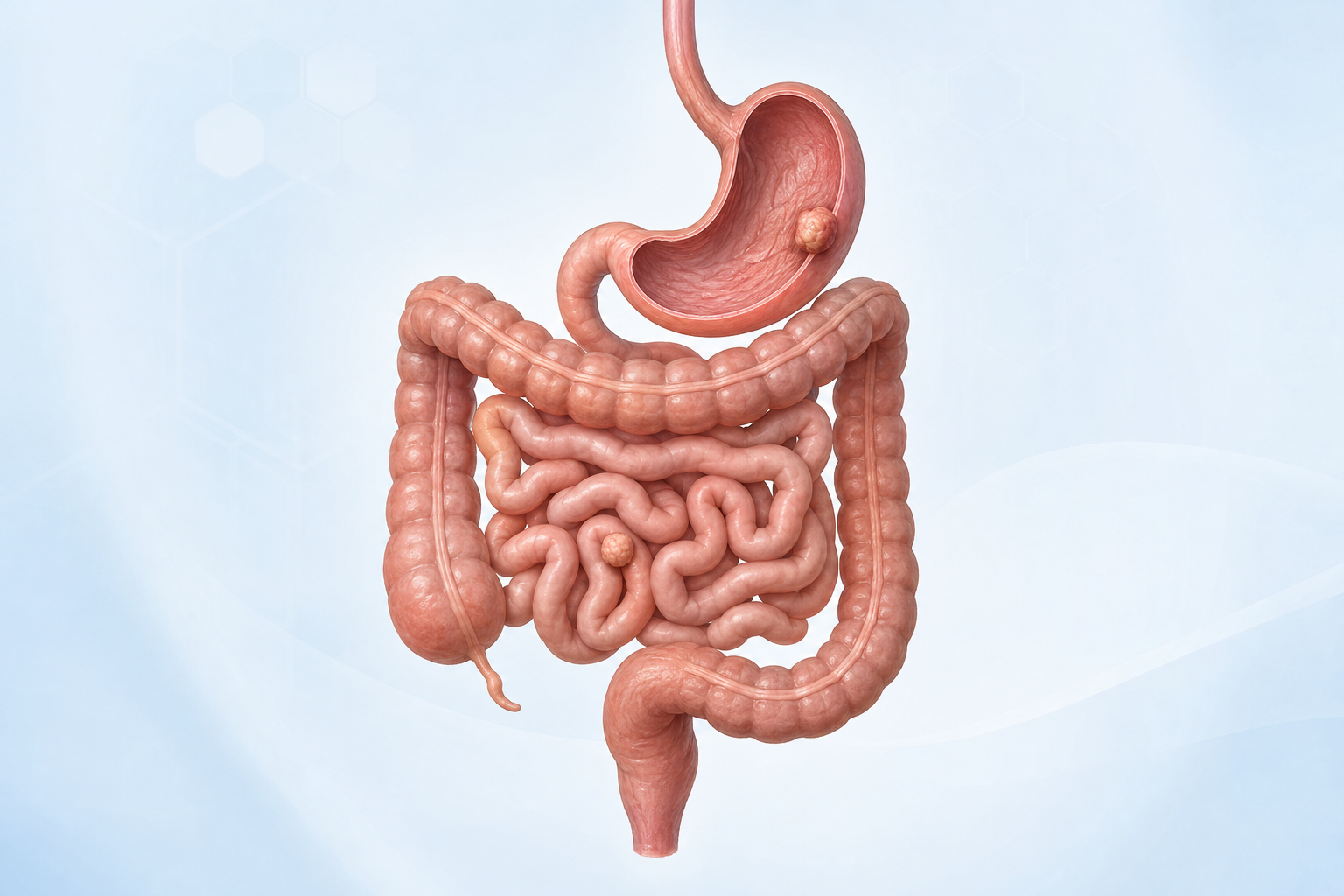
Possible signs and symptoms
Symptoms depend on the tumor's size and location. They may include abdominal pain or discomfort, feeling full after eating a small amount, fatigue, difficulty swallowing, vomiting, or blood in the stool or vomit. These symptoms can have many causes other than GIST. A healthcare professional should evaluate persistent, severe, or concerning symptoms. Sudden bleeding, severe pain, fainting, or other urgent symptoms require immediate medical attention.
How GIST is diagnosed
Evaluation may include a health history, physical examination, laboratory testing, CT or MRI scans, endoscopy, endoscopic ultrasound, and biopsy. During a biopsy, tissue is collected for examination by a pathologist. Laboratory tests such as immunohistochemistry help distinguish GIST from other tumors. Molecular testing may look for changes in genes or proteins that help confirm the diagnosis and guide treatment decisions.
Important features can include where the tumor began, its size, whether it has spread, whether it can be removed surgically, and the mitotic rate—a measure related to how quickly tumor cells are dividing. These factors help the clinical team estimate risk and plan care.
How GIST may be treated
Treatment is individualized. Options may include surgery, targeted drug therapy, careful observation in selected situations, supportive care, or a clinical trial. If a localized GIST can be removed safely, surgery may be considered. Targeted medicines called tyrosine kinase inhibitors block signals that some GIST cells use to grow. The choice and timing of treatment depend on the tumor's features, molecular test results, prior treatment, general health, and specialist recommendations.
No treatment is right for every person. Patients should discuss the expected benefits, possible side effects, alternatives, and follow-up plan with an experienced multidisciplinary team.
GIST and clinical trials
Clinical trials study new medicines, new combinations or sequences of treatment, improved testing methods, supportive care, and ways to manage GIST that has returned or stopped responding to prior therapy. Each protocol has specific eligibility criteria. Screening may review diagnosis, molecular results, tumor location, previous therapies, imaging, laboratory results, organ function, and current health.
An investigational treatment is still being studied and is not guaranteed to help. Before enrollment, the informed-consent process should explain the purpose of the research, required visits and procedures, known and possible risks, potential benefits, alternatives, privacy protections, costs, and whom to contact. Participation is voluntary, and asking about a study does not enroll someone.
Questions to ask
- Has the diagnosis been reviewed by a pathologist experienced with sarcoma or GIST?
- Where did the tumor begin, and has it spread?
- What do the pathology and molecular test results show?
- What treatment options are available now?
- Could a clinical trial be appropriate, and what are its eligibility requirements?
- Which scans, biopsies, blood tests, and visits are required?
- What side effects or urgent symptoms should be reported?
Reliable sources
- National Cancer Institute: GIST definition
- National Cancer Institute: GIST treatment information for patients
This article provides general educational information and is not medical advice, a diagnosis, or a statement that a specific study is available. Discuss individual symptoms, test results, and treatment choices with a qualified healthcare professional. For a medical emergency, call 911.